Home Explore Shuklaphanta Rooms & Facilities Activities Menu Contact Book Now
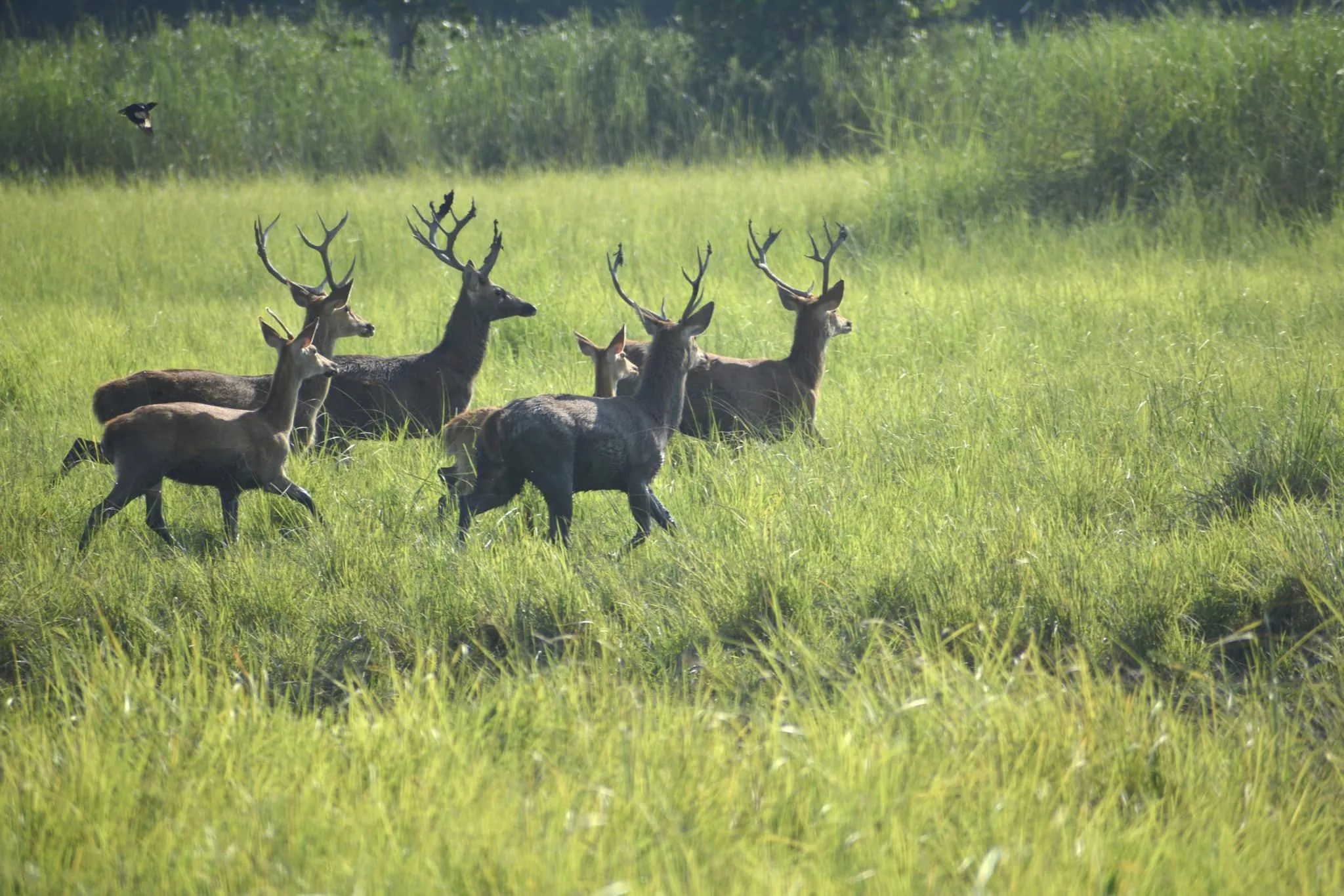
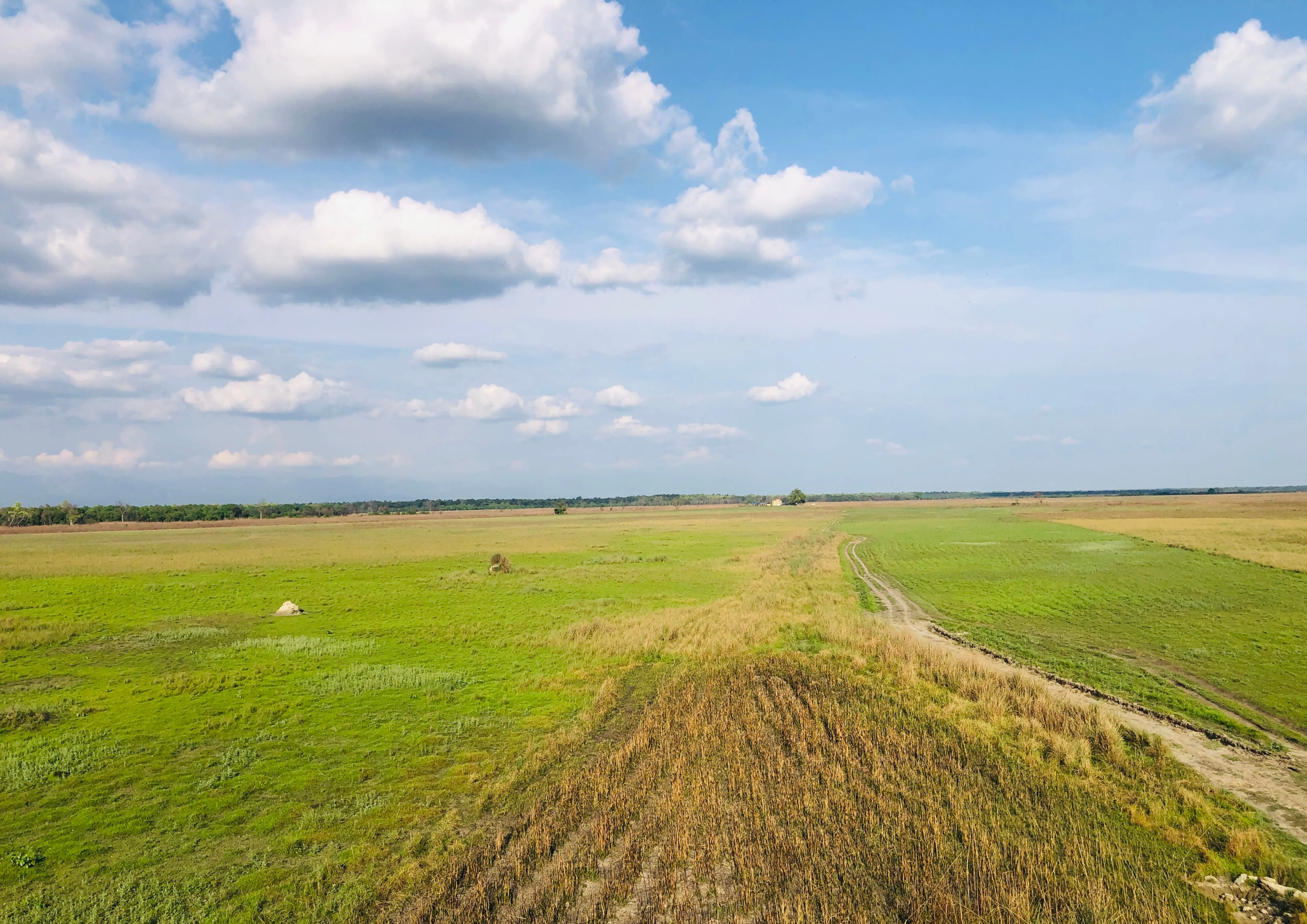
Shuklaphanta National Park open grasslands (phanta) — home of the world's largest swamp deer herd, Far-Western Nepal
Nepal's Hidden Gem

Shuklaphanta National Park

Where the jungle meets the open grasslands of the Far West

305 sq km Protected
44 Bengal Tigers
2,300+ Swamp Deer
460+ Bird Species
About the Park

One of Nepal's Most Pristine Wilderness Areas

Shuklaphanta National Park, also known as Shuklaphanta Wildlife Reserve, spans 305 square kilometres of diverse habitats in the Far-Western Terai of Nepal. Established in 1976, it is one of the last remaining examples of pristine Terai grassland ecosystem in South Asia.

The park takes its name from the vast open grasslands — "shuklaphanta" meaning "white open grassland" in the local language. These sweeping meadows are the heartbeat of the park and home to the world's largest concentration of swamp deer (barasingha). Beyond the grasslands, dense sal forests, riverine habitats, and wetlands create a rich mosaic of ecosystems that support extraordinary biodiversity.
305

Square Kilometres

2,300+

Swamp Deer

460+

Bird Species

1976

Year Established

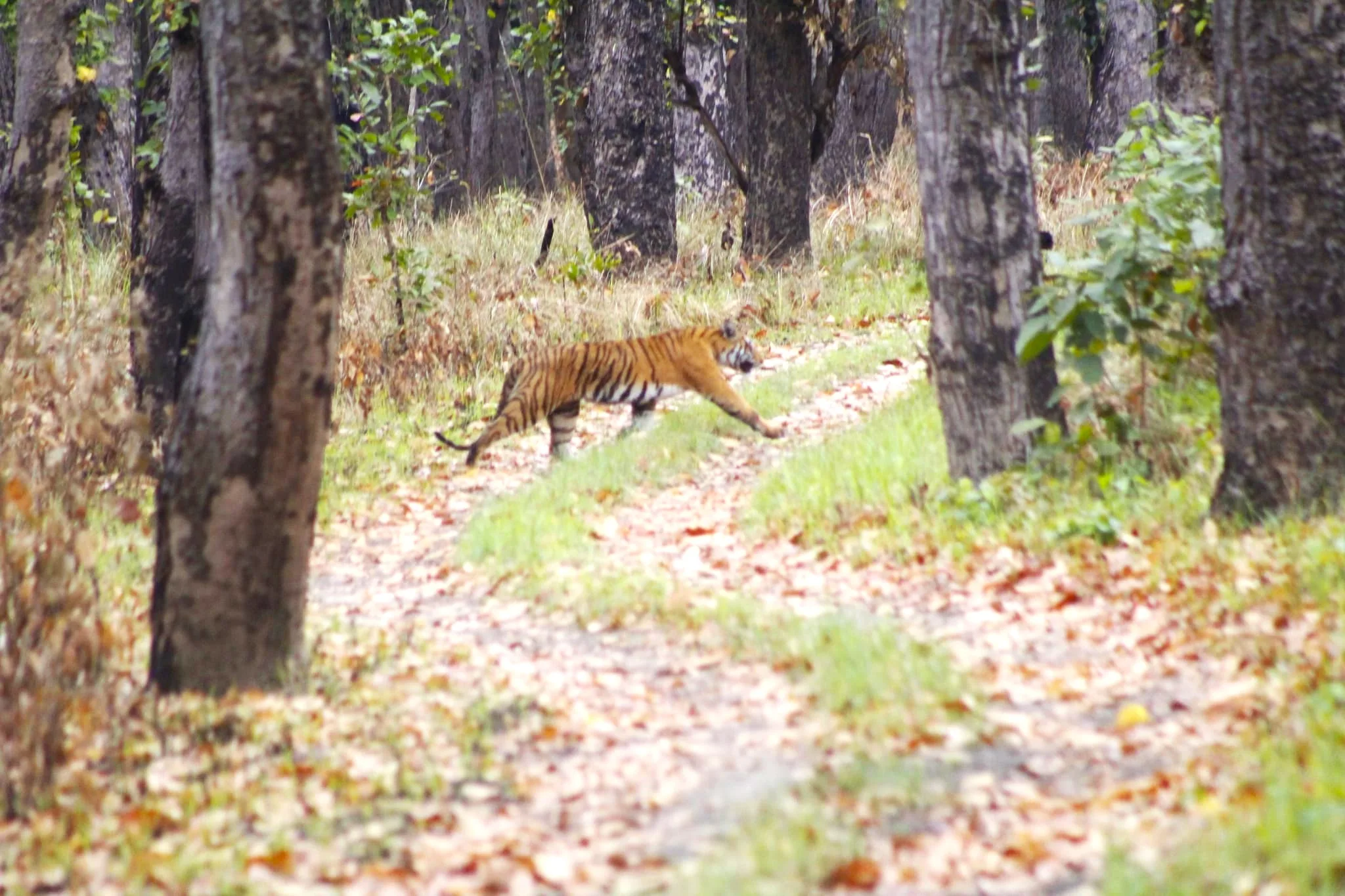
Royal Bengal Tiger at Shuklaphanta National Park
Swamp Deer (Barasingha) at Shuklaphanta
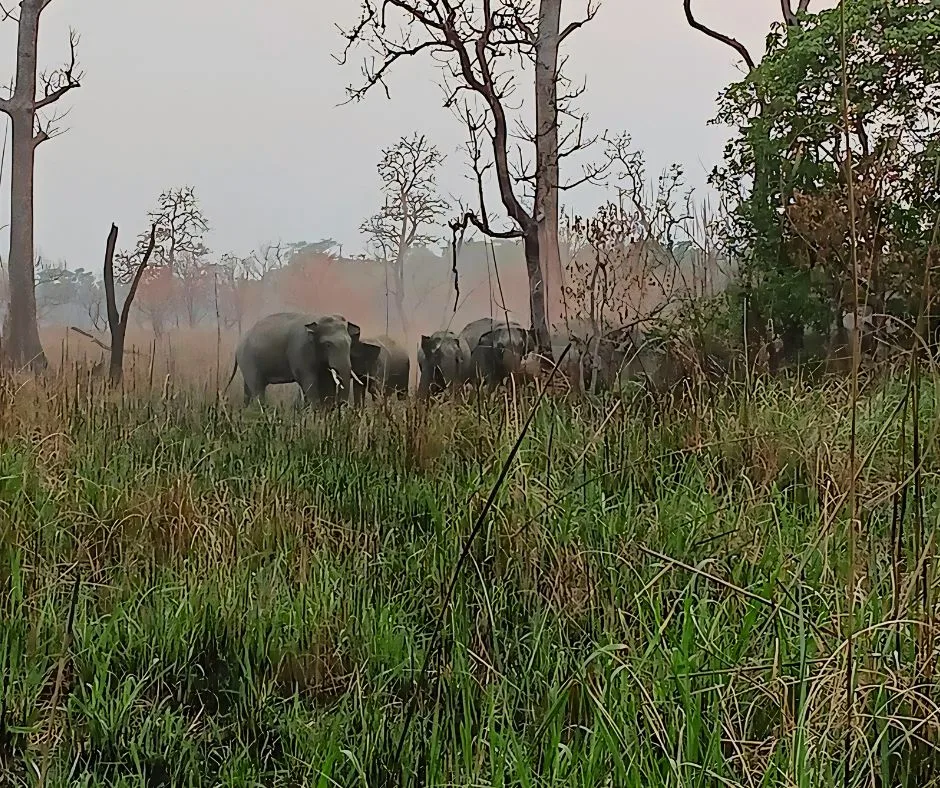
Wild Asian Elephant at Shuklaphanta National Park
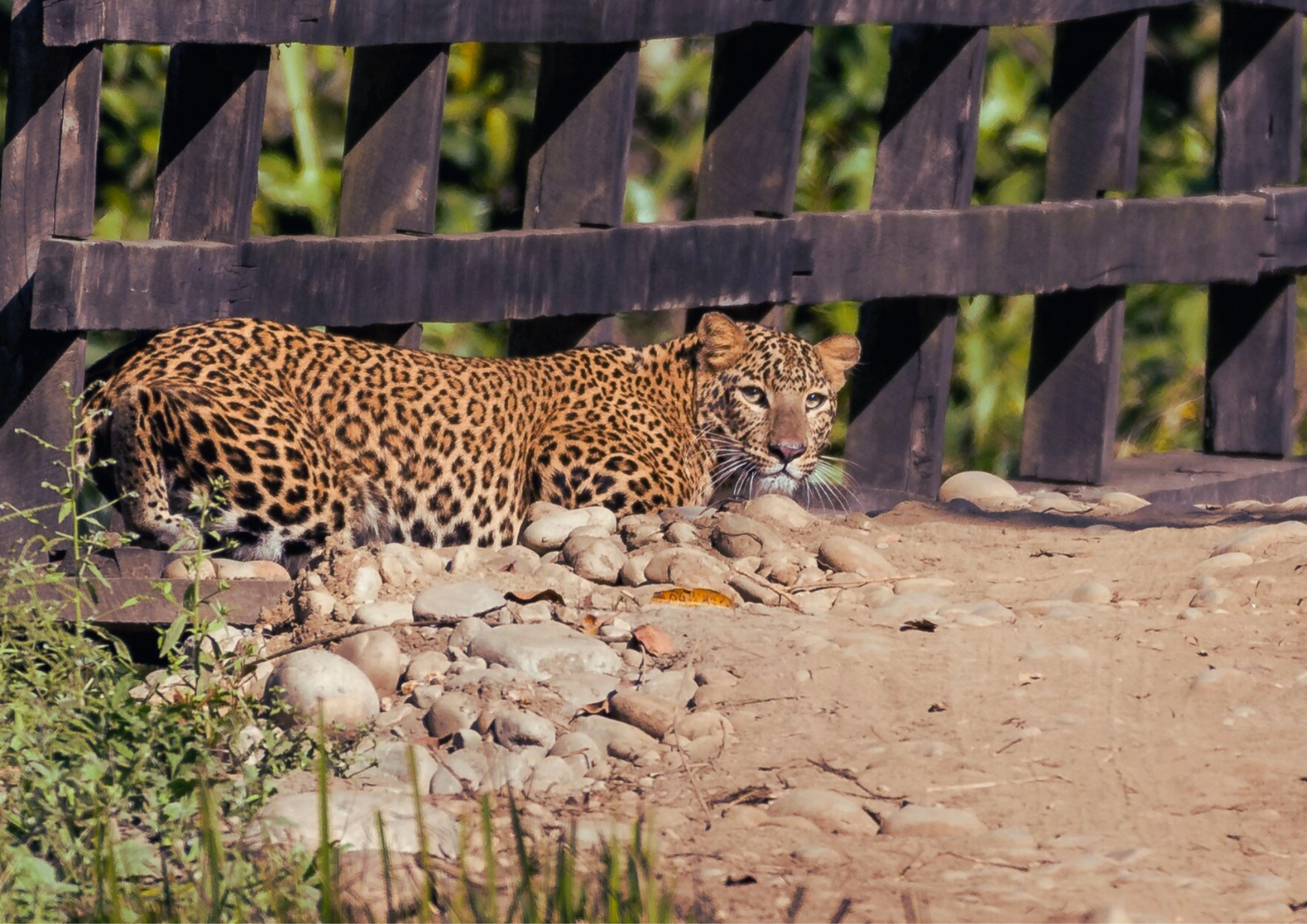
Leopard at Shuklaphanta National Park
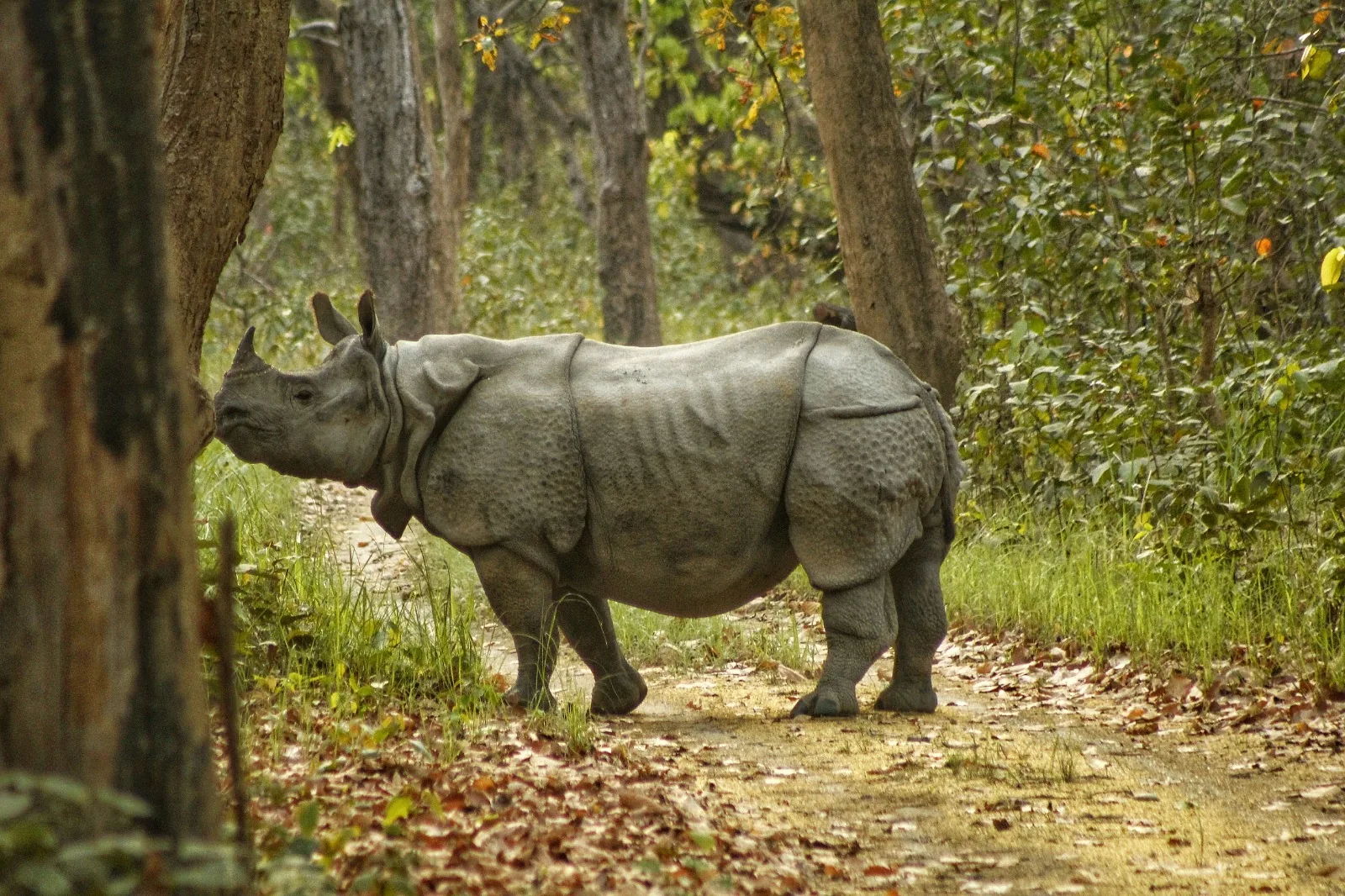
One-Horned Rhinoceros at Shuklaphanta National Park
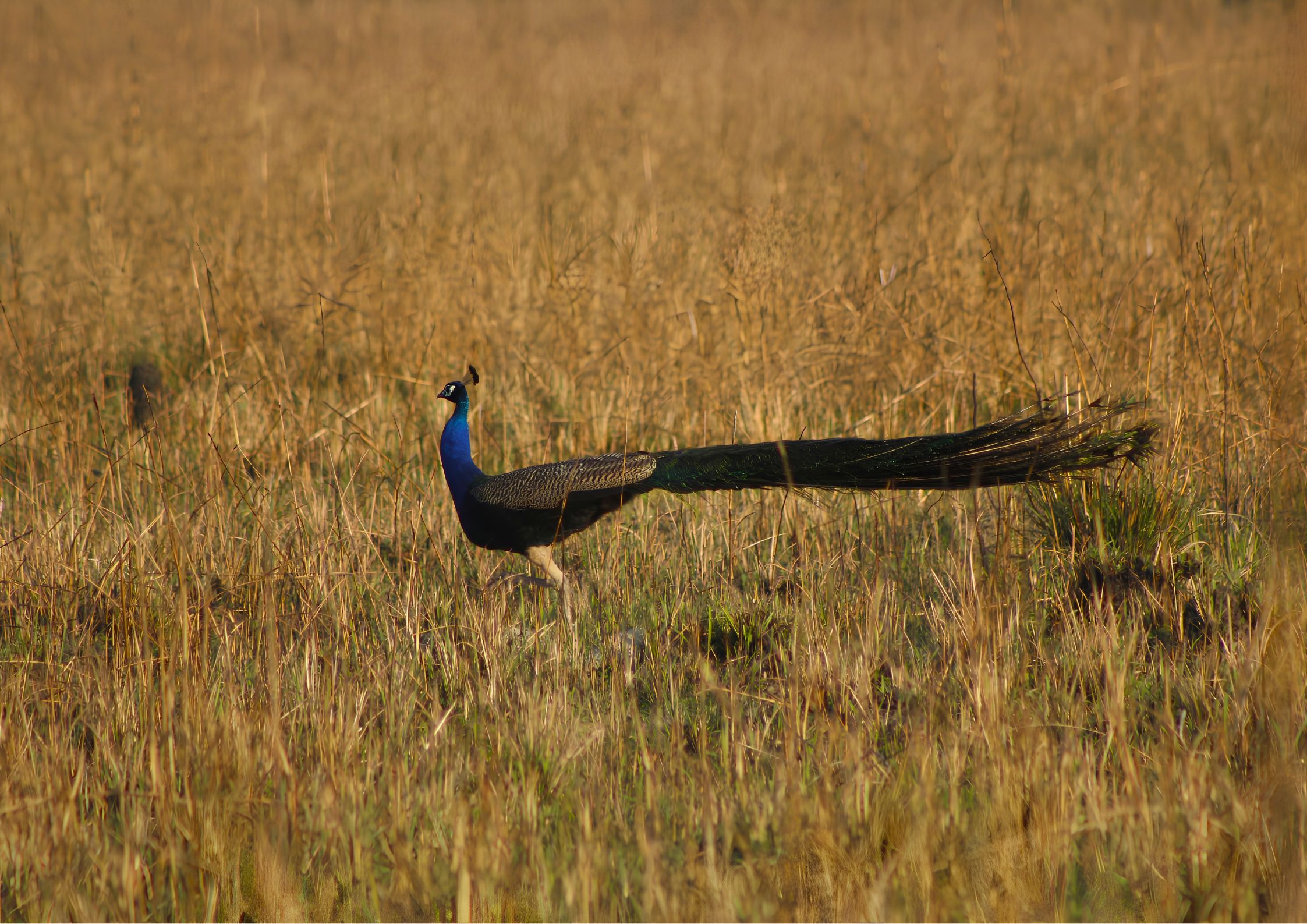
Indian Peacock at Shuklaphanta National Park
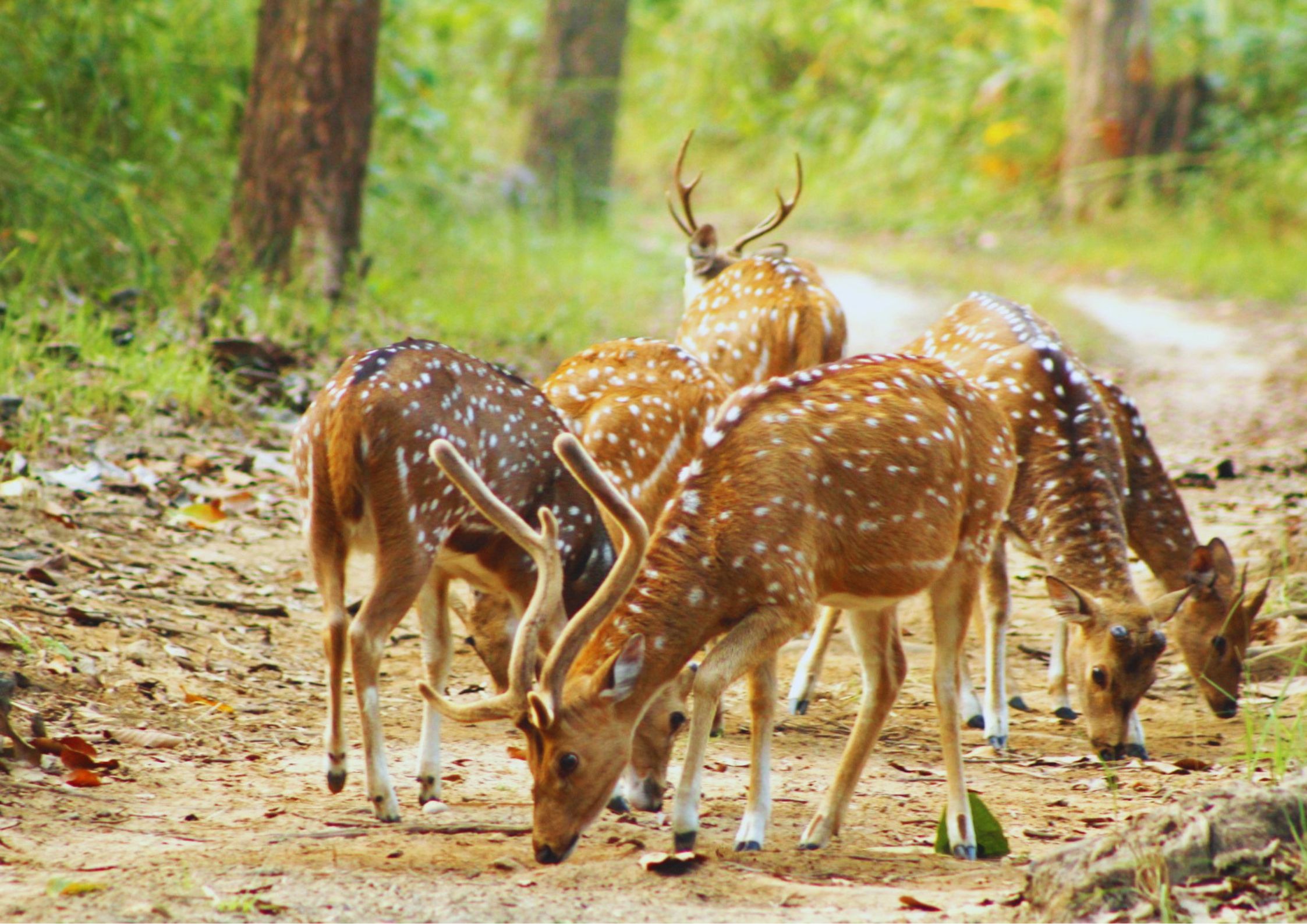
Spotted Deer (Chital) at Shuklaphanta National Park
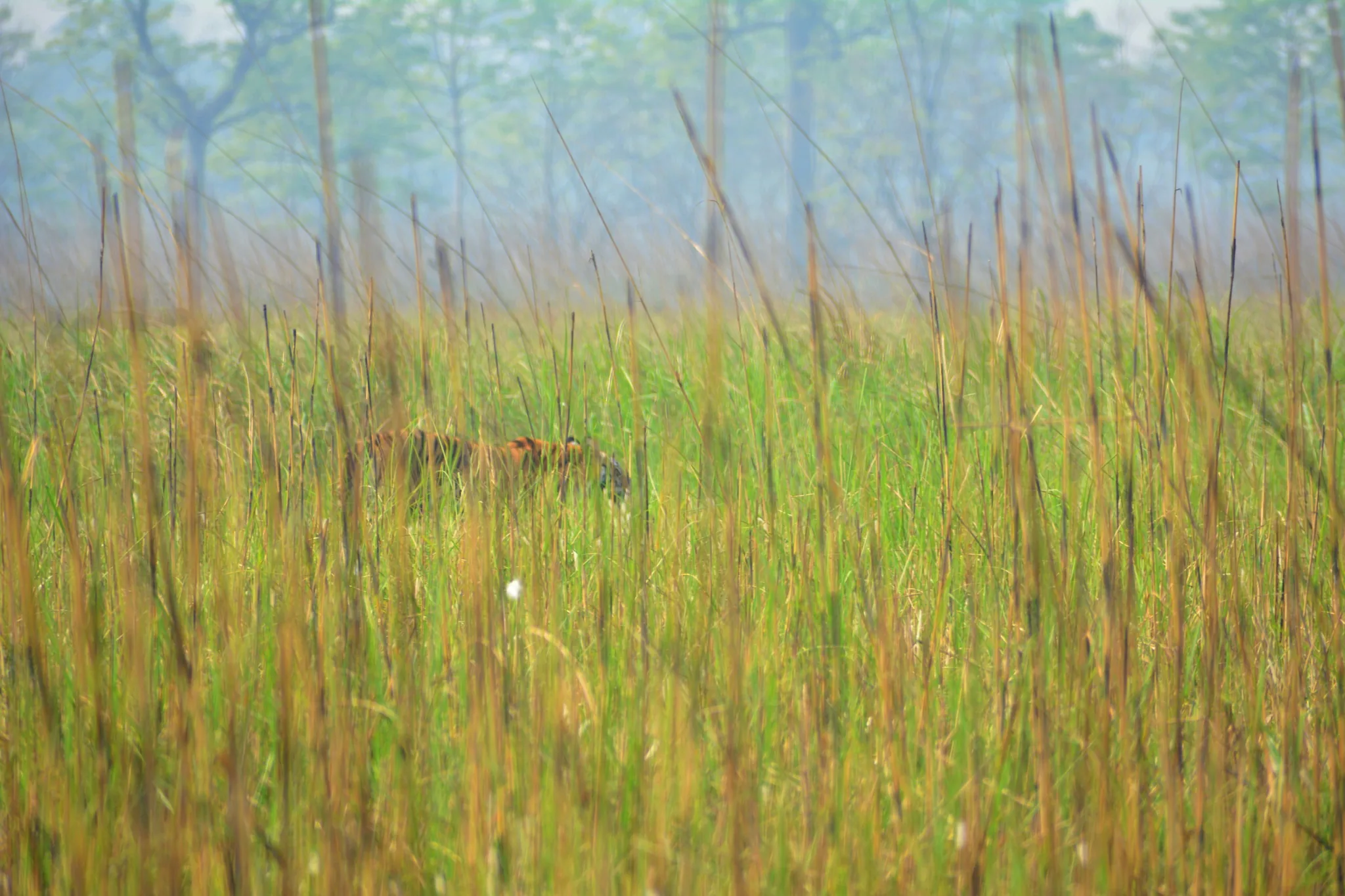
Tiger at Shuklaphanta National Park
305
sq km Park Area
44
Bengal Tigers
2,300+
Swamp Deer Herd
460+
Bird Species
200m
From Our Cottage
1976
Year Established
Wildlife

Remarkable Animals of Shuklaphanta

The park shelters some of the most iconic and endangered animals of South Asia in their natural habitat.

Swamp Deer (Barasingha) at Shuklaphanta

🦌 Swamp Deer (Barasingha)

The world's largest population — vast herds graze the open phanta at sunrise.

📊 2,300+ Largest in Nepal
Royal Bengal Tiger at Shuklaphanta

🐅 Bengal Tiger

Dawn and dusk safaris offer the best chances of spotting this apex predator.

📊 44 Individuals
Wild Asian Elephant at Shuklaphanta

🐘 Asian Elephant

25 to 30 wild Asian elephants roam freely through the park's forests and grasslands.

📊 25–30 Individuals
One-Horned Rhinoceros at Shuklaphanta

🦏 One-Horned Rhinoceros

17 one-horned rhinoceros regularly spotted in the park's riverine and wetland habitats.

📊 17 Individuals
Leopard at Shuklaphanta

🐆 Leopard

The elusive leopard stalks through the forest edges at dawn.

📊 Present in the Park
Peacock displaying plumage at Shuklaphanta National Park

🦚 Indian Peacock

Strikingly beautiful peacocks roam freely through the park's grasslands and forest clearings.

📊 Abundant in the Park
Spotted Deer (Chital) at Shuklaphanta National Park

🦌 Spotted Deer (Chital)

Elegant spotted deer graze in dappled forest light — one of the park's most commonly sighted animals.

📊 Common Sighting
Jeep Safari in Shuklaphanta National Park
Explore the Wild

Discover It By Jeep Safari

The most thrilling way to encounter Shuklaphanta's magnificent wildlife — guided jeep safaris at dawn and dusk, when tigers, elephants, and vast deer herds are most active. Stay at our cottage and be at the park gate in minutes.

Birding Paradise

460+ Bird Species

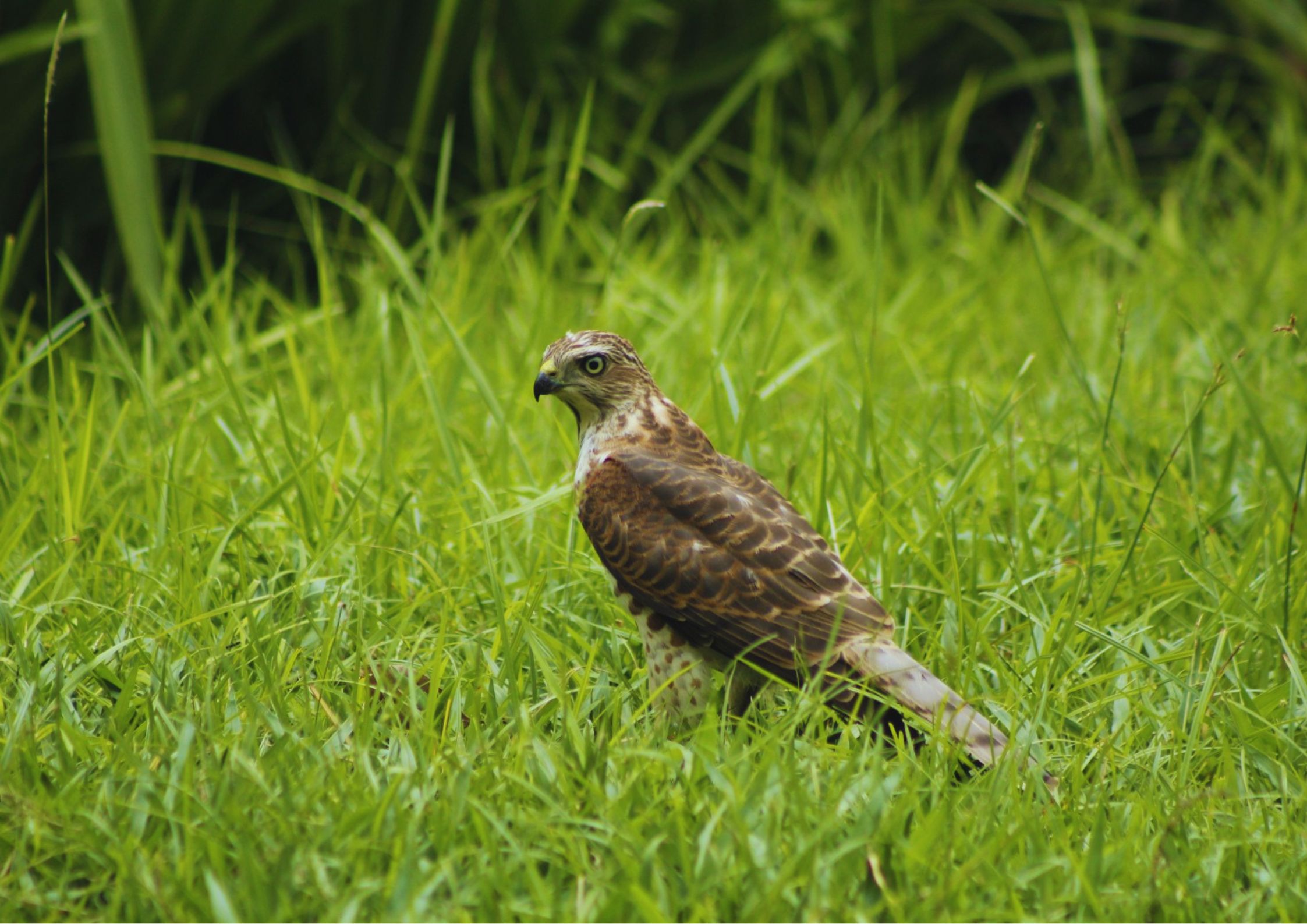
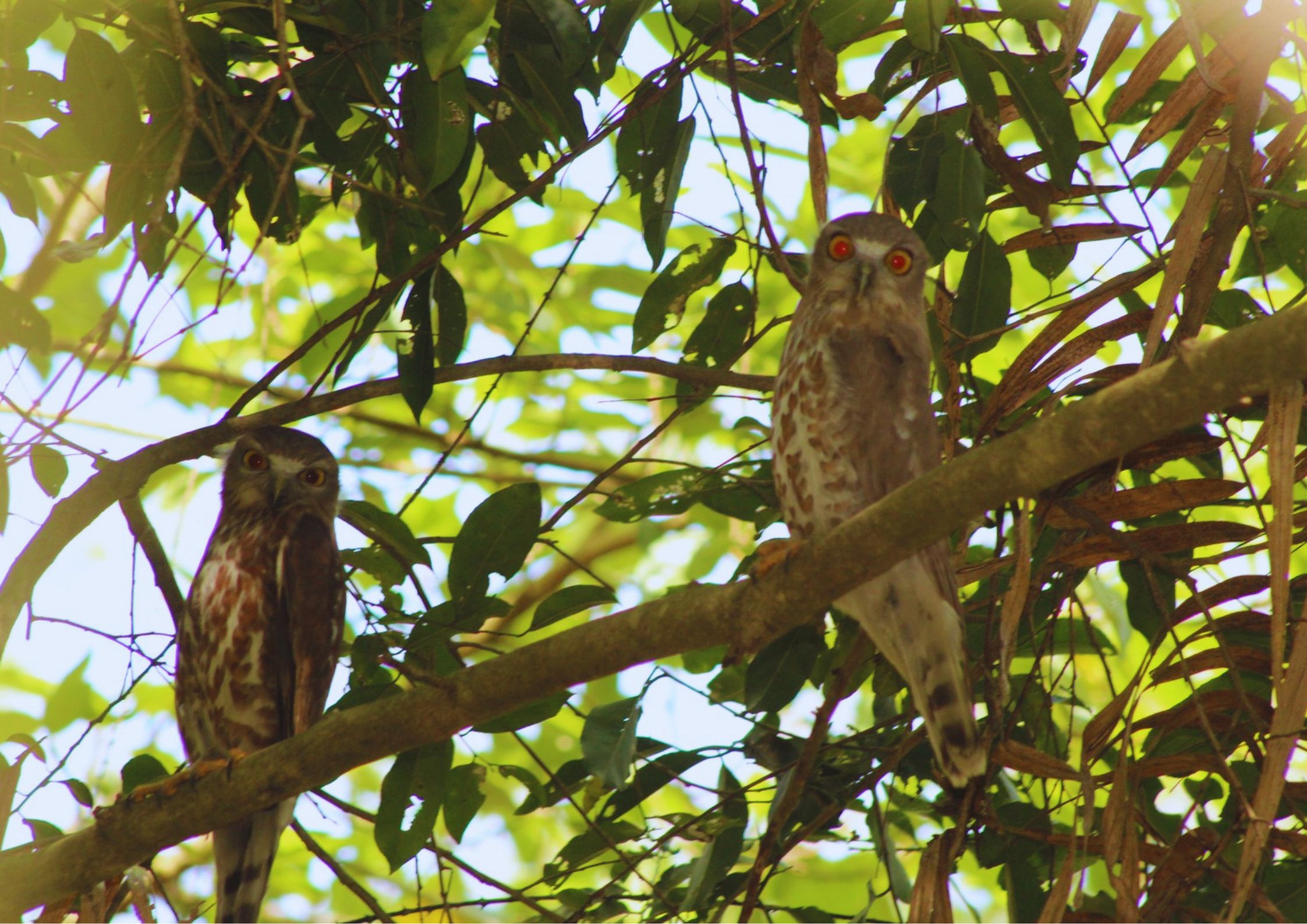
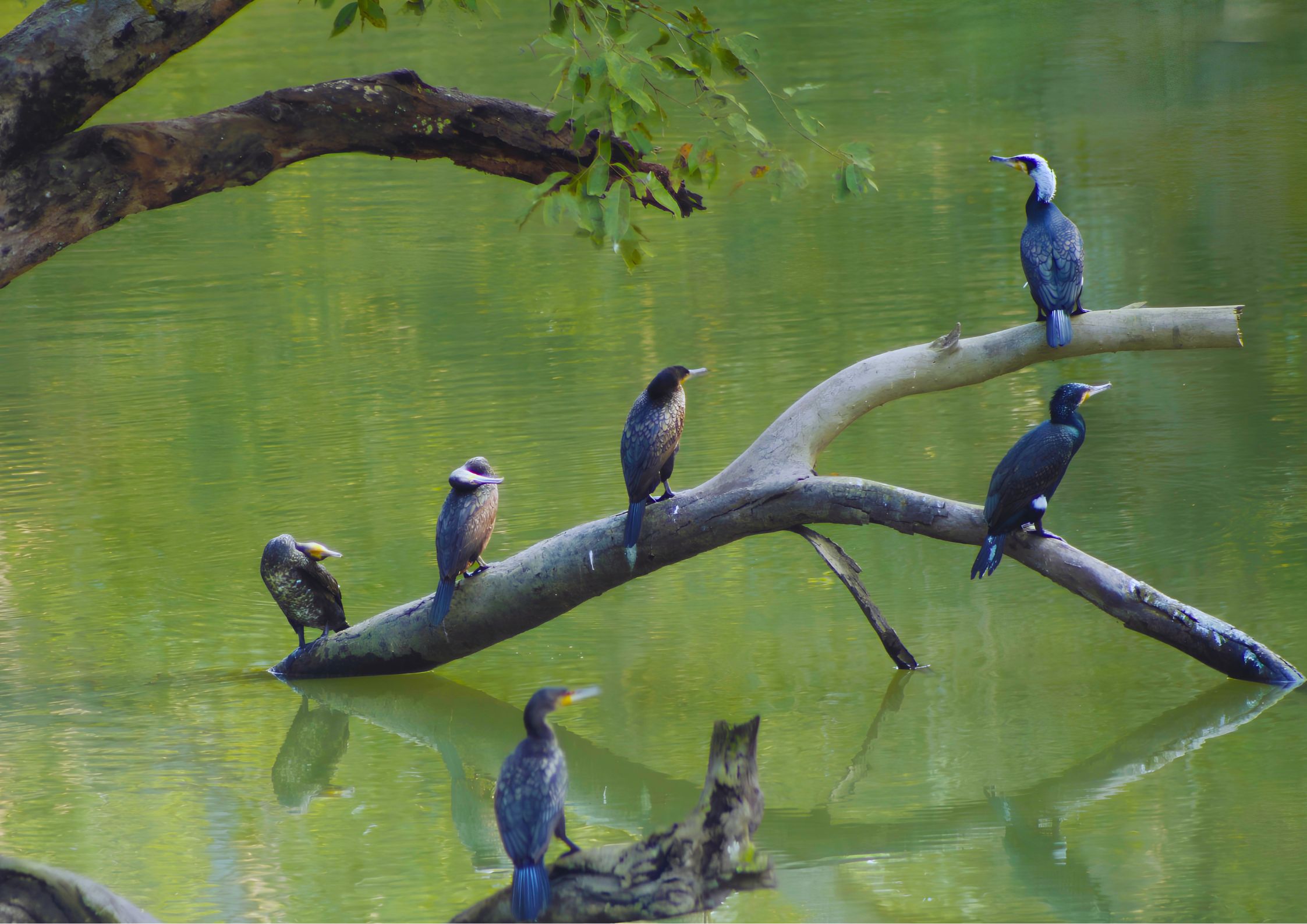
Shuklaphanta is a world-class birding destination. Its diverse habitats attract resident and migratory species from across Asia.

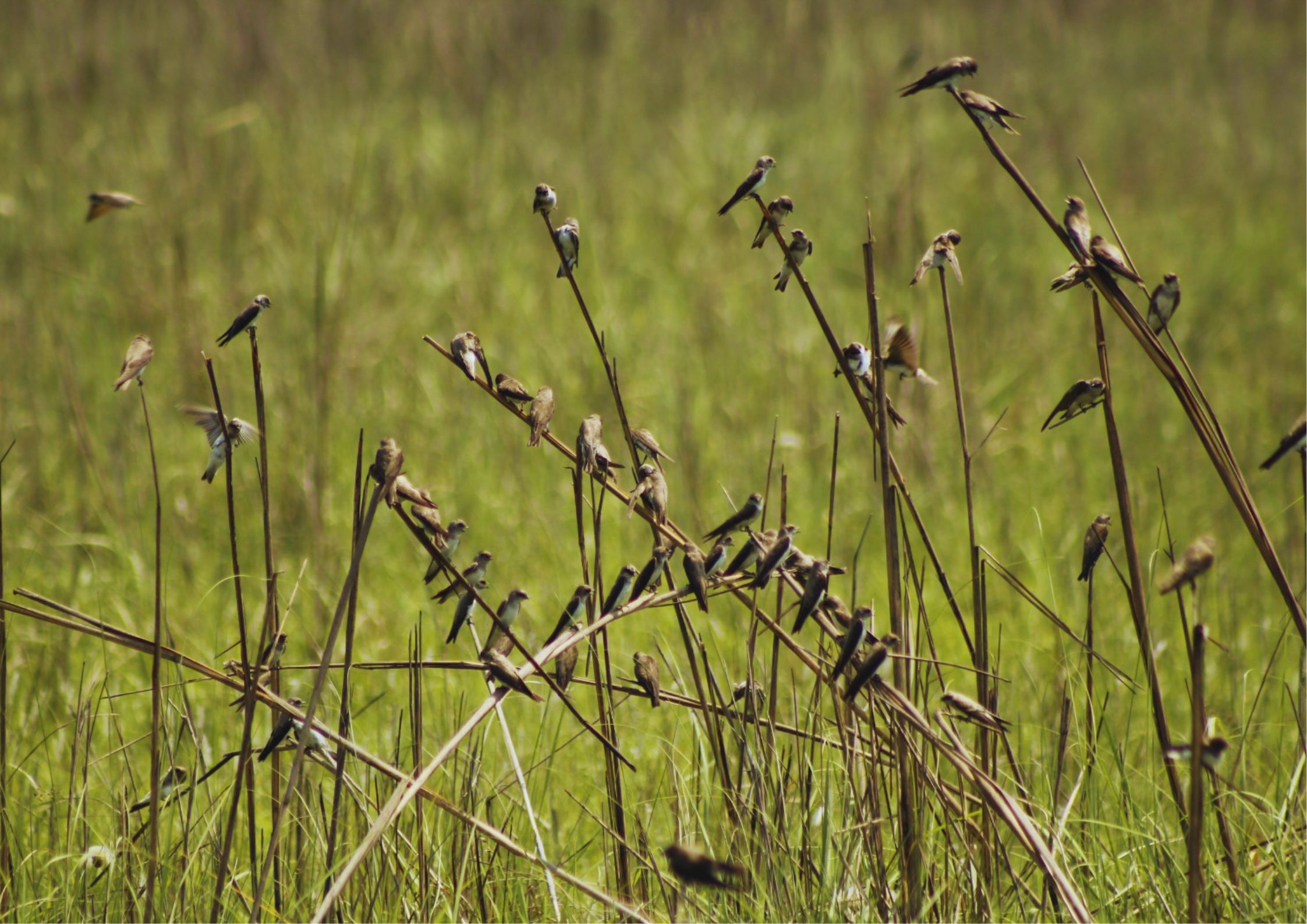
Bird species at Shuklaphanta National Park
Exotic bird at Shuklaphanta National Park
Wildlife birds at Shuklaphanta National Park
Multiple bird species at Shuklaphanta

The park's wetlands, grasslands, and forests attract an extraordinary diversity of birds. From the giant Bengal florican to tiny sunbirds, Shuklaphanta is a must-visit for any birding enthusiast.

🦅 Bengal Florican
🦜 Sarus Crane
🦢 Bar-headed Goose
🦚 Peafowl
🦩 Painted Stork
🦋 Kingfisher
🦅 Osprey
🐦 Hornbill
🦅 Fish Eagle
🦜 Parakeet
🐦 Roller
🦉 Owls

Best birding months: October to March. Early morning sessions (6–9 AM) yield the most sightings. Our guides are expert birders.

Planning Your Visit

Best Time to Visit Shuklaphanta

🍂
Best Season

Autumn (Oct – Nov)

Clear skies, lush post-monsoon greenery, and excellent wildlife visibility. The grasslands are at their finest.

🌸
Good Season

Spring (Mar – May)

Warm and pleasant. Good wildlife activity before the heat sets in. Breeding season for many birds.

🌧️
Monsoon

Monsoon (Jun – Sep)

Heavy rainfall floods many areas. Park access can be limited. Best to avoid unless specifically interested in monsoon ecology.

Location Advantage

Why Stay Right at the Park Gate?

Being 2 minutes from the park entrance gives you unmatched advantages over staying in the city.

🌅

First Light Safaris

Begin your safari at the magical first light of dawn — when wildlife is most active and before other tourists arrive.

🦅

Spontaneous Wildlife

Animals often wander near the park boundary. Guests regularly spot elephants and deer right from our property.

🌙

Night Sounds & Atmosphere

Fall asleep to the sounds of the jungle. Night birds, insects, and the occasional distant tiger call create an extraordinary atmosphere.

📸

Golden Hour Photography

Get the best shots at sunrise and sunset without long drives. The proximity means you can be in position at the perfect moment.

🔄

Multiple Safaris Per Day

Return to the cottage between morning and evening safaris for a relaxing break — impossible when staying far from the park.

Safari Stay

Ready to Explore Shuklaphanta?

Book your stay at the park gate and experience Nepal's most incredible wildlife destination.

Rated 9.2 on Booking.com
Trusted by 500+ Guests
🏆 #1 on TripAdvisor Mahendranagar
Check Availability

Instant Confirmation · Best Rate Guaranteed · Free Cancellation